Sharper calls. Wiser bets.
The best uses of AI in your business are not visible from where you're sitting. You find them next to the people doing the work.
I work hands-on with leadership teams to build AI systems on their own data: the calls, the tickets, the documents, the numbers spread across systems that nobody has time to read. The systems get built inside the business, and the team keeps running them.
Everyone's using AI to build faster.
Almost no one's using it to decide better.
What actually changed
AI is a tool, not a solution. The problem, too much signal to act on, always existed. The tool unlocks two things, and most teams only talk about the first.
See what you couldn't see.
A thousand sales calls nobody has read. Support tickets tagged by nobody. Interview notes in forty docs. The data was always there; now it can be distilled into a decision, with every number traced to a source your team owns.
Build what you couldn't build.
The analysis capability that used to need a data team and a consulting budget is now in reach of the person who has the problem. Your team builds it themselves, and owns it after I leave.
One honest caveat, stated up front: running AI against large datasets has real cost. Anyone who tells you otherwise is selling something else.
Surface the signal. Prototype the bet. Make the call.
The bet behind every decisionEvery consequential call gets made on incomplete evidence. The data was always there: sales calls, customer interviews, support tickets, the numbers scattered across systems. No one ever had time to read all of it, so the call got made on a slice.
AI doesn't decide. It reads the slice you never had time for and tells you what's in it.
Leaders keep the call. They just stop making it on the loudest input.
In the client's words.
ProofI work with leaders who need AI to do something real in their business, not to run a pilot. The engagement below ran with the CEO of a national DTC e-commerce brand. She started AI-skeptical. She finished with a working profit pipeline her team checks daily, and the fluency to stand up new builds herself.
“Craig didn’t just build our profitability dashboard; he taught me to run it, and to use Claude as a true force multiplier in my business.”
“I worked with Craig Calder of MaxGradient to build a marketing focused profitability dashboard for Paw.com, designed to expose the marketing KPIs that truly reflect actual contribution margin and profitability. He brings a rare ability to bridge operational execution with strategic thinking, focusing on the levers that actually drive performance. Just as valuable, Craig worked closely with me to teach both the system and how to use Claude AI effectively as part of my workflow. If you’re focused on business transparency and want to use AI as a true force multiplier in your business, I’d highly recommend Craig.”
Craig Calder, Founder.
About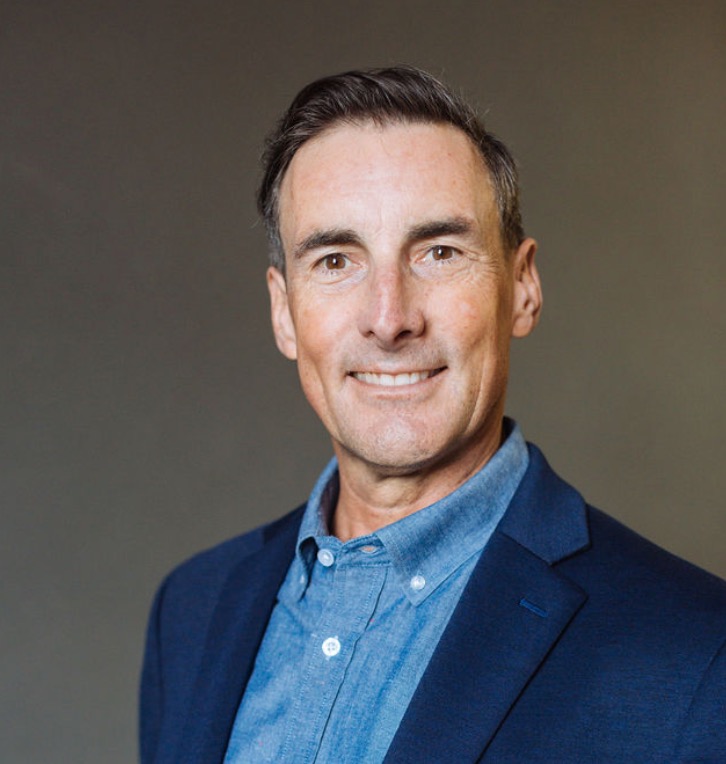
Twenty years in senior product management leadership, at eBay, New Relic, and in insurance AI, before starting MaxGradient. I build with the tools rather than talk about them: Claude Code and Cowork are the stack, and I am in them daily.
The work is hands-on and it happens inside the business. I sit with the people who own the problem, build the system on their data, and leave them running it. No subscription, no dependency on me.
I publish regularly on how AI is reshaping how leaders work: Medium · LinkedIn
Based in Portland, Oregon.

Claude Certified Architect, Professional
Get in touch.
ContactIf you are working on something where AI has to do more than demo well, I am happy to talk.